
How to Remodel Without Losing Customers
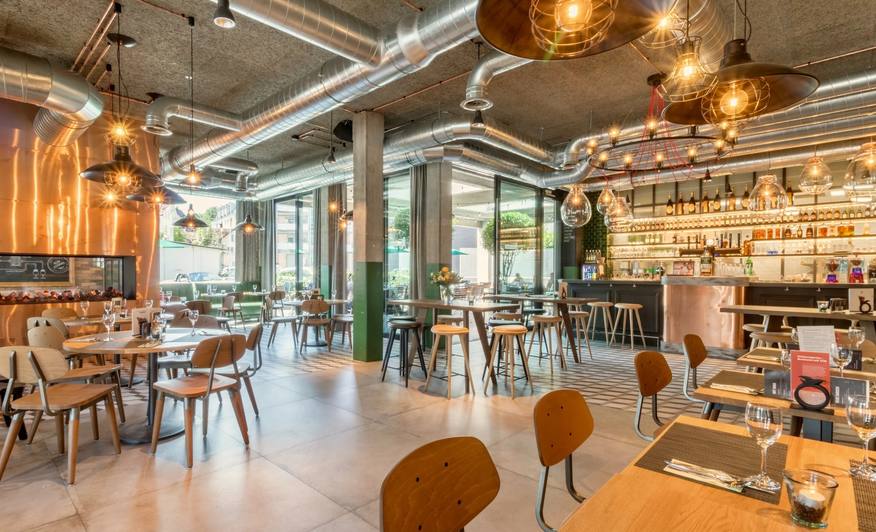
Renovating a restaurant creates a unique challenge business owners in other industries rarely face. Customers keep expecting service even while walls come down and new equipment goes in. Balancing daily operations with necessary upgrades requires careful planning most owners underestimate at first. Here is what restaurant owners should understand before starting a renovation project.
Keeping Revenue Flowing During Construction
Worried that construction will scare away regulars and hurt your bottom line? Skilled restaurant remodeling Atlanta owners choose keeps operations running while upgrades happen efficiently. Here is how phasing protects your business.
Phasing Work Around Service Hours
Closing an entire restaurant during renovation eliminates income for weeks at a time. Phasing divides work into manageable sections, allowing part of the dining area or kitchen to stay operational throughout construction. Some owners schedule the most disruptive work overnight or during typically slower days. This approach keeps revenue flowing even during active renovation, though it requires careful coordination between contractors and staff schedules.
Kitchen Layout Improvements
Many remodels focus heavily on dining room appearance while overlooking kitchen efficiency. A poorly designed kitchen layout slows down food preparation and creates safety hazards for staff during busy shifts. Reworking workflow between prep stations, cooking equipment, and plating areas often improves speed and reduces bottlenecks significantly. Consulting with kitchen staff during planning helps identify practical improvements that directly affect daily operational efficiency.
Meeting Health Code Requirements
Restaurant renovations must comply with strict health and safety codes covering everything from ventilation to food storage areas. Skipping proper permitting or overlooking code requirements risks costly delays or failed inspections after construction finishes. Experienced contractors familiar with restaurant specific codes navigate these requirements smoothly. This expertise prevents the frustration of discovering compliance issues after equipment installation has already been completed.
Minimizing Disruption to Regular Customers
Noise, dust, and temporary menu changes affect customer experience even during partial renovations. Clear communication through signage or social media helps set expectations before customers arrive. Offering a limited menu during construction keeps kitchen operations manageable with reduced staff or equipment access. These small considerations protect customer relationships and prevent negative reviews during an already challenging transition period.
Working With Experienced Contractors
Not every construction team understands the complexity of renovating an active restaurant. Experienced contractors know how to coordinate around service hours and minimize disruption to daily operations. Ask about previous restaurant projects and how they handled phasing around business needs. A contractor familiar with these unique challenges helps keep the project on schedule while protecting revenue throughout construction.
Conclusion: Keeping Revenue Flowing During Construction
Successfully remodeling a restaurant requires balancing construction progress with ongoing daily operations. Phasing work strategically and improving kitchen layout protect both revenue and efficiency. Meeting health code requirements and minimizing customer disruption round out a smoother renovation process. Choosing an experienced contractor familiar with restaurant projects ensures the entire process runs as smoothly as possible.


Recent Comments